
Explore Our Range of High-Quality Fuel Products
Reliable, efficient, and refined fuel solutions tailored for every industry need—from transportation to heating and aviation.

Jet A-1
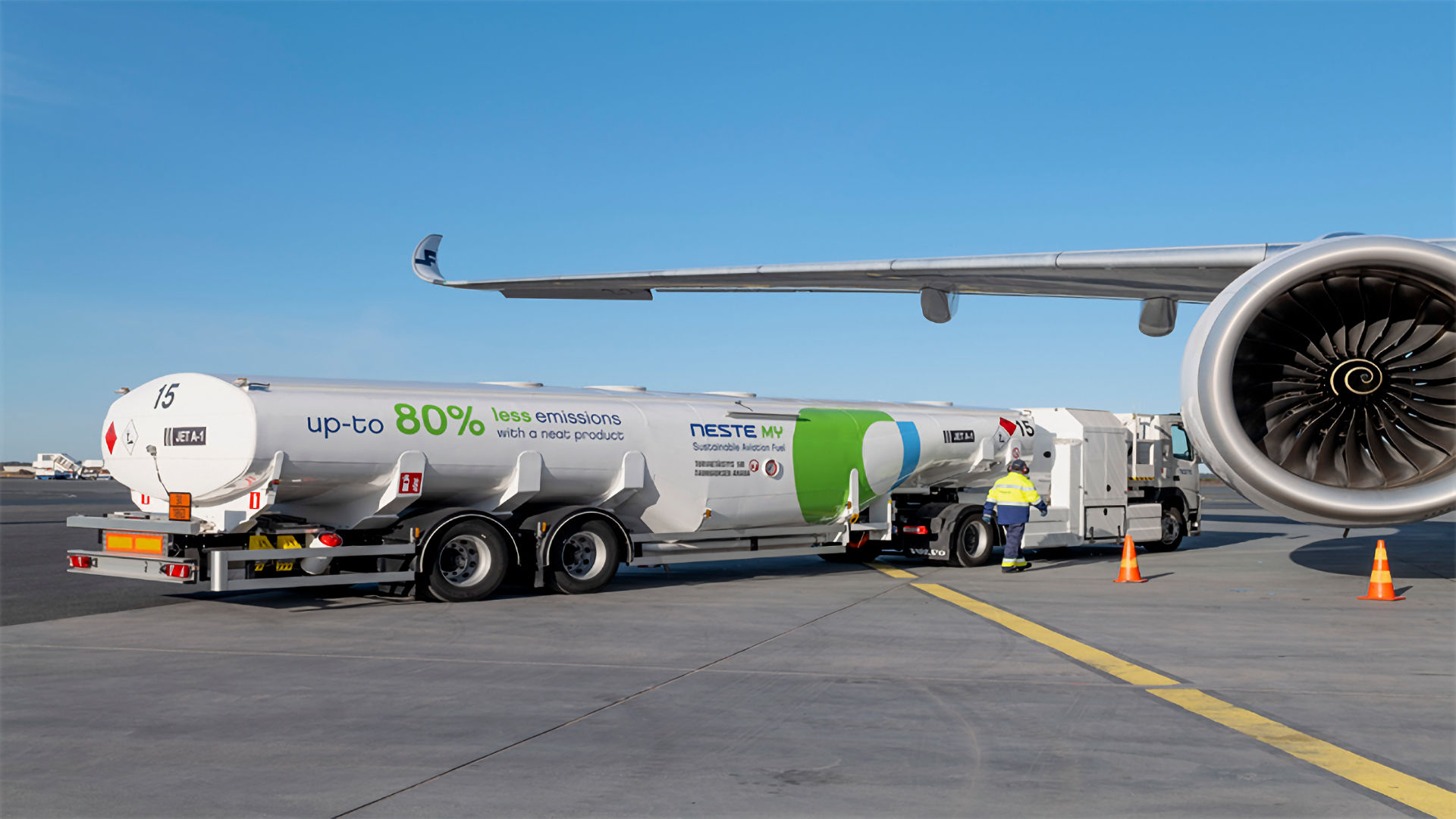
Jet A-1 is a type of aviation fuel, mainly composed of kerosene, tailored for jet and turbo-prop aircraft. Engineered to meet stringent industry standards, Jet A-1 fuel is formulated for stable performance at high altitudes and cold temperatures, with a freeze point around -47°C (-53°F) to prevent freezing in aircraft fuel systems. It also has a low flash point, making it suitable for high-energy applications required in aviation.
The fuel’s reliable combustion properties ensure a consistent supply of energy during flight, and additives may be included to improve storage stability and reduce risks associated with microbial growth in fuel tanks. Used globally, Jet A-1 is the standard fuel for commercial airlines, as well as many cargo and private jets.

EN590 Diesel Fuel
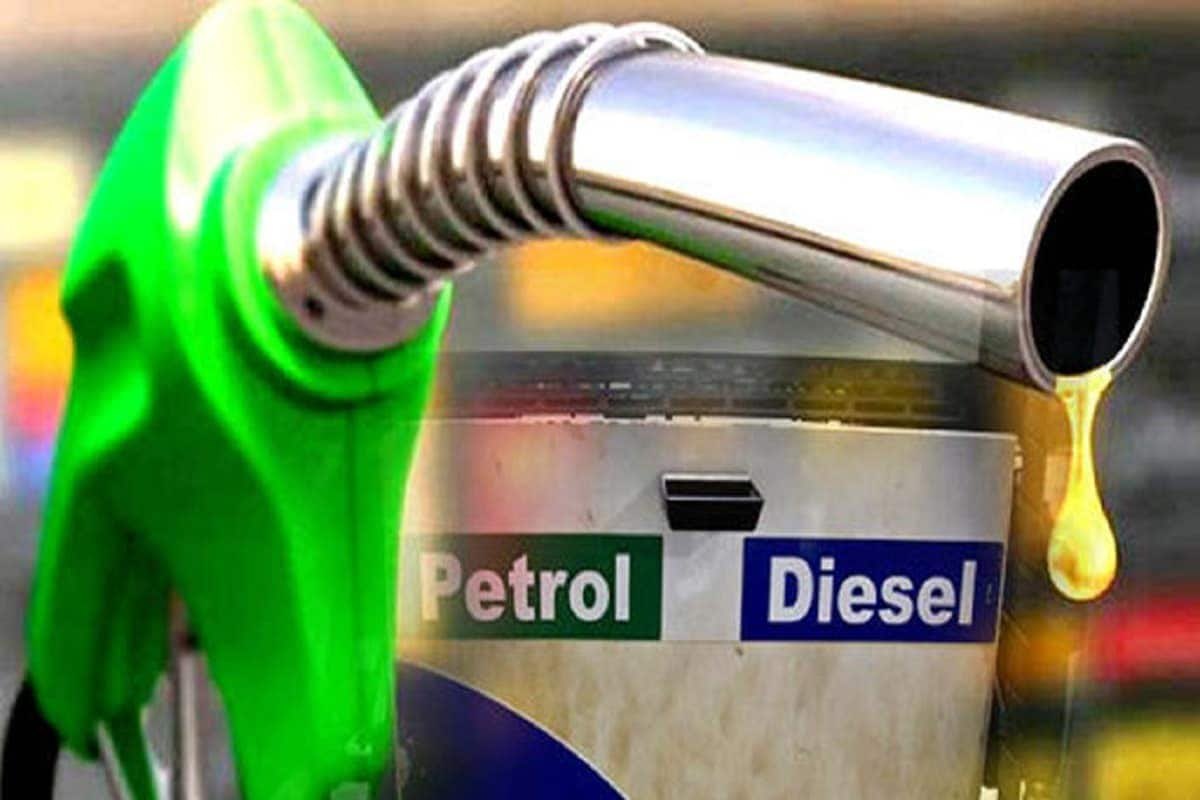
EN590 diesel fuel is a standard specification for automotive diesel in Europe, defining parameters such as cetane number, sulfur content, and density to ensure consistency and quality. The EN590 standard was introduced to harmonize fuel requirements for diesel engines and to comply with European emissions regulations. EN590 diesel has low sulfur content (ultra-low sulfur diesel or ULSD), which significantly reduces particulate emissions and allows compatibility with advanced engine technologies like particulate filters and catalytic converters.
Commonly used in cars, trucks, buses, and heavy-duty equipment, EN590 diesel offers high energy efficiency and lower emissions, supporting sustainable transportation and complying with environmental standards in Europe.

Crude Oil
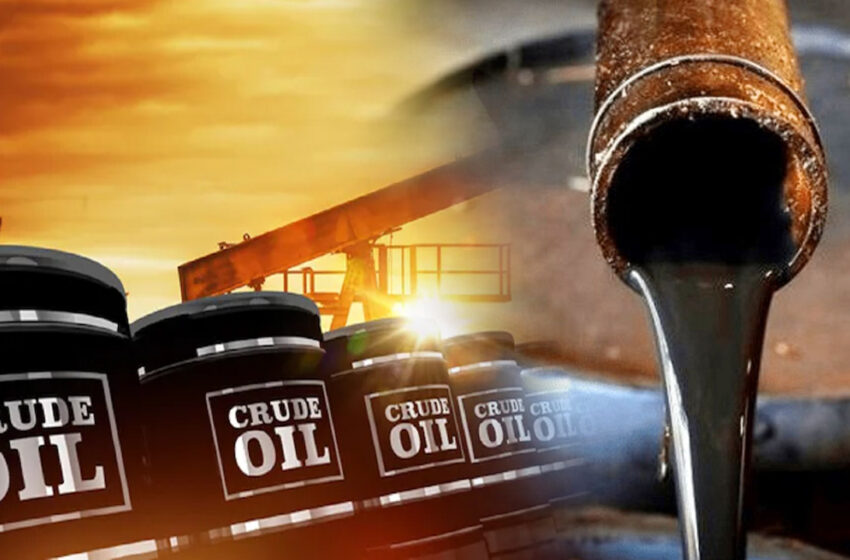
Crude oil is a naturally occurring fossil fuel found deep within the Earth, comprising a complex mixture of hydrocarbons and other organic materials. Formed over millions of years from ancient marine organisms, crude oil goes through intense heat and pressure within the Earth’s crust, turning into a range of hydrocarbons. These hydrocarbons vary in molecular weight, giving rise to different types of crude oil, such as light, medium, heavy, and extra-heavy, based on their viscosity and sulfur content.
Crude oil is the starting point for a wide array of refined products, including gasoline, diesel, jet fuel, and petrochemicals used in manufacturing plastics, synthetic rubber, and other materials. The quality and type of crude oil determine its refining processes and its application across various industries, including transportation, heating, and petrochemical production.


Light Cycle Oil (LCO)
Light Cycle Oil (LCO) is a middle-distillate byproduct produced during the fluid catalytic cracking (FCC) process in refineries. This process breaks down heavier hydrocarbons into lighter products, and LCO serves as an intermediate fuel between diesel and heavy fuel oils. Known for its high aromatic content, LCO is often blended into diesel fuels to improve volume, though its usage may be limited by stricter environmental regulations due to higher sulfur content.
In industrial applications, LCO is valued for its versatility as it can be upgraded to more refined diesel products or used directly as industrial heating fuel. It’s commonly utilized in regions where there is demand for affordable, high-energy-density fuels for power generation, heating, or as a blending component in low-grade diesel products.
Liquefied Natural Gas (LNG)
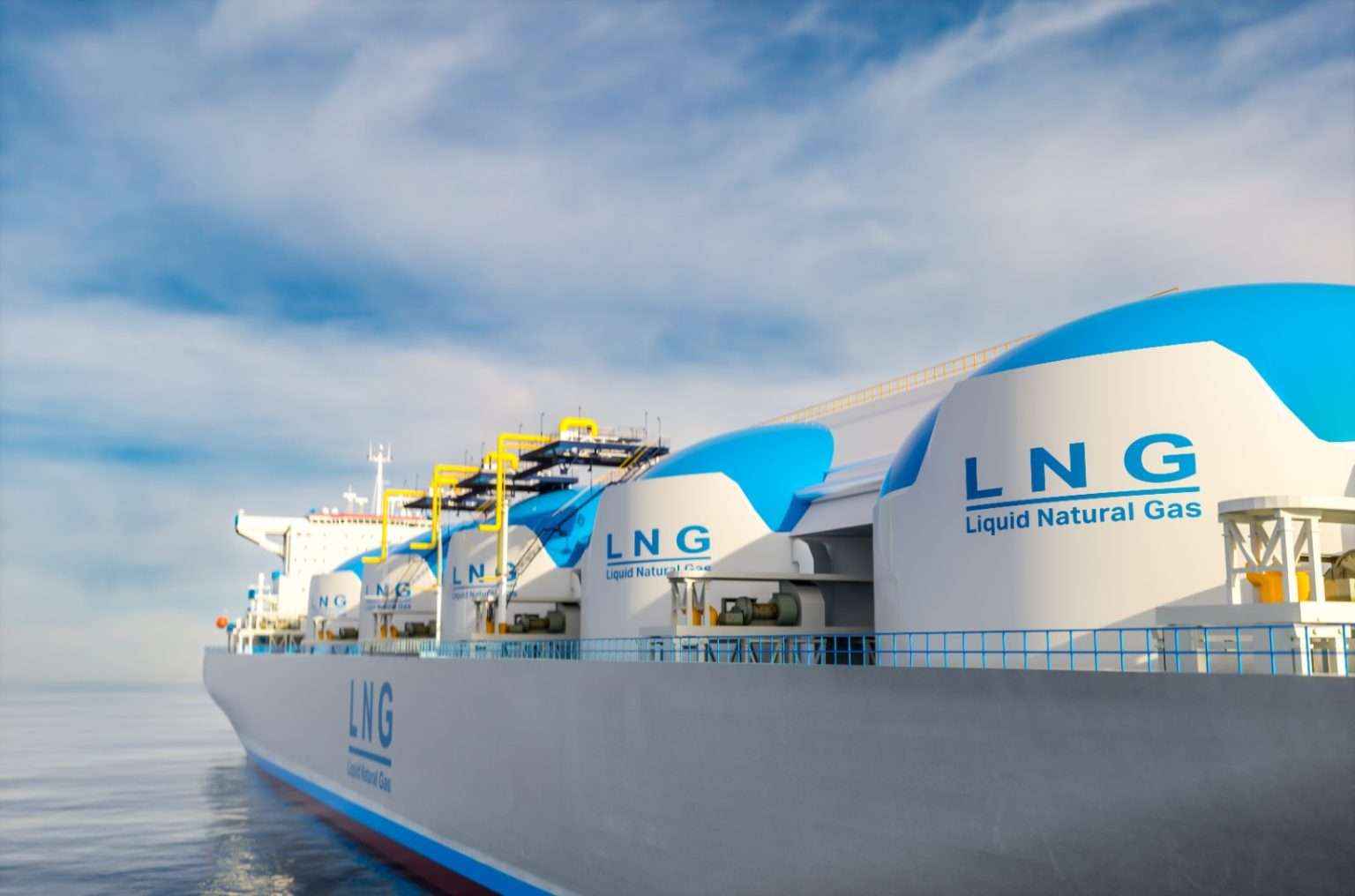
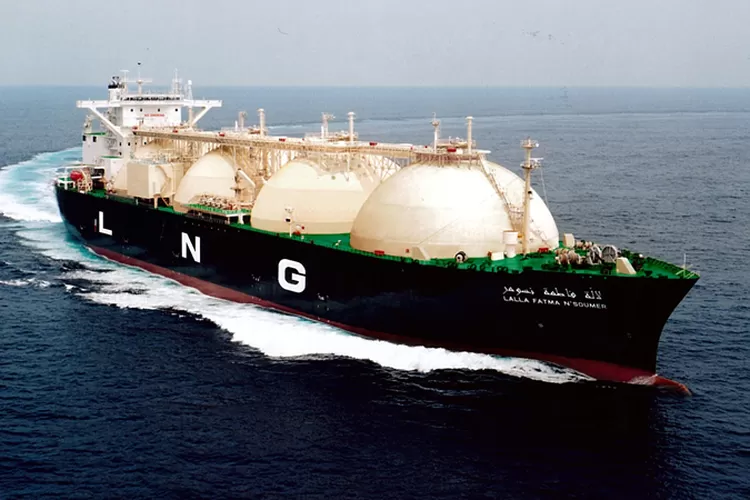
Liquefied Natural Gas (LNG) is a form of natural gas—mainly methane—cooled to around -260°F (-162°C) to convert it into a liquid. This process reduces its volume by about 600 times, making it efficient to store and transport, especially across long distances and where pipeline infrastructure is unavailable. LNG is odorless, colorless, non-corrosive, and non-toxic, offering a cleaner-burning alternative to other fossil fuels, emitting lower levels of carbon dioxide, sulfur, and nitrogen oxides.
LNG’s primary uses include power generation, heating, and as a fuel for vehicles, ships, and industrial applications. LNG is also increasingly utilized as an alternative to diesel in heavy-duty vehicles, and its role in energy transition strategies makes it popular for reducing greenhouse gas emissions.
Liquefied Petroleum Gas (LPG)
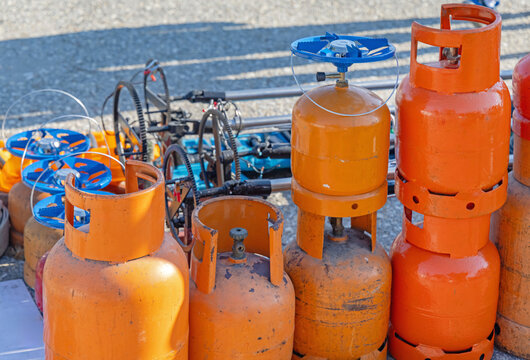
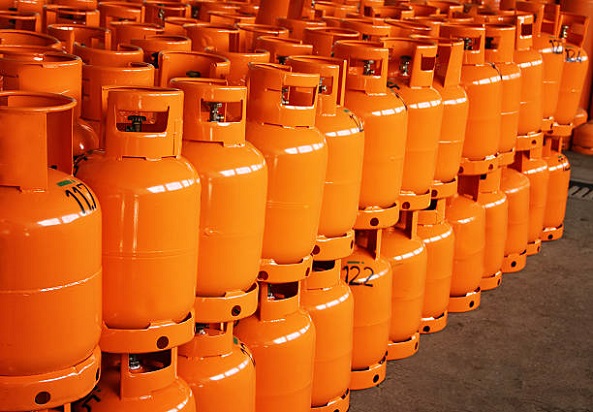
Liquefied Petroleum Gas (LPG) is primarily composed of propane and butane, both hydrocarbons refined from crude oil and natural gas processing. LPG is stored in liquid form under moderate pressure, allowing for convenient storage and transport. Known for its versatility, LPG can be used for cooking, heating, hot water, and as fuel for certain vehicles, making it a widely accessible energy source.
LPG’s environmental benefits stem from its cleaner combustion properties, emitting fewer pollutants than many other fuels. It’s especially valuable in rural and off-grid areas due to its portability and ease of storage. Industrial applications for LPG include use as fuel for forklifts, generators, and even as a petrochemical feedstock.


Gasoline
Gasoline, also known as petrol, is a refined liquid fuel derived from crude oil, primarily used in internal combustion engines. Through fractional distillation, refineries separate gasoline from crude oil based on molecular weight, followed by blending processes to achieve various octane levels suitable for different engine types. Gasoline’s high energy density and combustibility make it an essential fuel for passenger cars, motorcycles, boats, and small engines.
Gasoline formulations include additives to improve performance, prevent knocking, and reduce emissions, making it a critical fuel for both personal and commercial transport. High-octane gasoline variants enhance performance in high-compression engines, providing more power and efficiency.